

Primary 1 marks the beginning of your child’s formal education journey — everything is new, from the structured school day to learning subjects systematically. For Primary 2, the focus shifts to reinforcing these foundations before formal assessments begin in P3.
We’ve been conducting subject-specific parent briefings throughout January to help you understand what matters most at this stage. Here are key pointers we’re covering in our P1 & P2 briefings:
English: Building vocabulary, grammar foundations, and good reading habits
Maths: Developing number sense and problem-solving skills through concrete learning
Chinese: Mastering Hanyu Pinyin and building character recognition
Our bundle discount (up to 20% off) ends on 31 January — register now to secure the best savings, or chat with us on WhatsApp if you have questions.
English: Building Blocks Across All Language Areas

The focus at this stage is on building strong foundational skills across all language areas — listening, speaking, reading, writing, grammar, and vocabulary.
All language skills work together. At P1 and P2, students develop listening and speaking through activities like Show & Tell and reading aloud, while building reading and writing skills through structured practice. Encourage your child to speak in complete sentences, describe their day, and share stories — practice at home reinforces what they learn in school.
Reading builds everything else. Students who read widely from young develop better vocabulary, comprehension, and an intuitive sense of grammar. Start with books your child enjoys — picture books, early readers, comics — and make reading a daily habit. At this stage, it’s about building the love for reading, not just the skill.
Spelling and vocabulary grow through practice. Focus on sight words and high-frequency vocabulary. Learning a few new words each day, with their meanings and usage, builds a strong foundation over time.
Upcoming briefing: P1 & P2 English & Budding Writers Parent Briefing → — Fri, 23 Jan, 7:30 PM
Maths: Build Understanding Before Speed
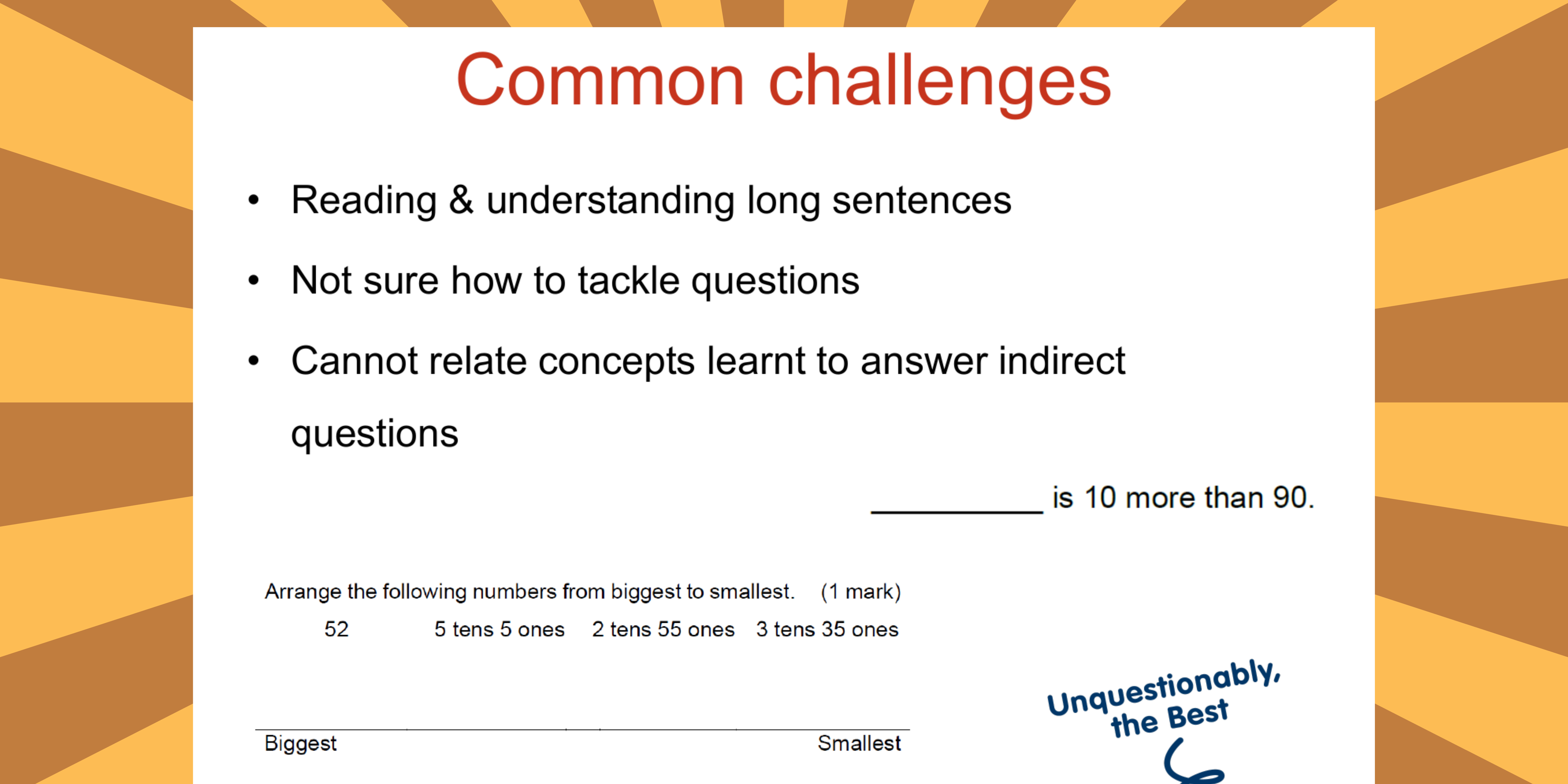
At P1 and P2, the goal isn’t to rush through calculations — it’s to build deep understanding of mathematical concepts that will serve your child throughout their education.
Concrete learning comes first. The CPA (Concrete → Pictorial → Abstract) approach means students should work with physical objects before pictures, and pictures before numbers. Let your child count real objects, use manipulatives, and see maths in everyday situations.
Word problems start early. Even at P1 and P2, students encounter simple word problems. The key challenge is often reading and understanding what the question asks. Model drawing (bar models) is introduced early to help students visualise problems — this becomes essential for problem sums later.
Connect maths to daily life. Shopping, cooking, telling time, measuring ingredients — everyday activities reinforce mathematical thinking. Ask your child to help count items, compare quantities, and recognise patterns around them.
Upcoming briefing: P1 & P2 Maths Parent Briefing → — Thu, 29 Jan, 7:30 PM
Chinese: Master Hanyu Pinyin Early
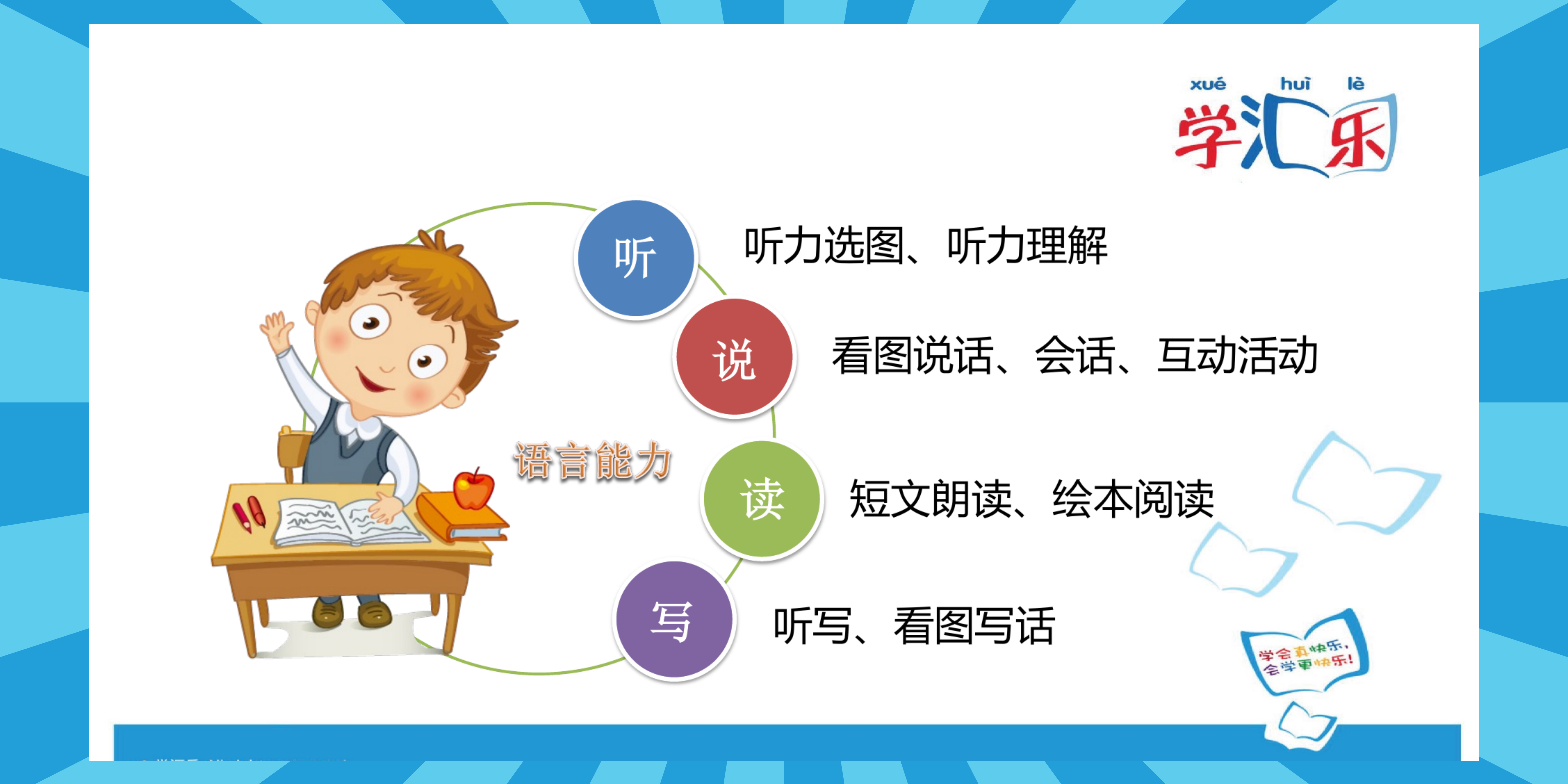
Chinese at the P1 and P2 level focuses on building a strong foundation in the language — mastering Hanyu Pinyin, learning basic strokes and radicals, and developing all four language skills: listening, speaking, reading, and writing.
Hanyu Pinyin is crucial. P1 students spend significant time learning Hanyu Pinyin (汉语拼音) — the phonetic system for reading Chinese characters correctly. Note that Pinyin looks similar to English letters but sounds different (e.g., “c” is pronounced “ts”). Help your child distinguish between Pinyin and English pronunciation.
Know the two types of characters. Students learn 识读字 (recognition characters) — which they only need to read — and 识写字 (writing characters) — which they must be able to write correctly. Focus practice on the writing characters, which are typically fewer but require more attention.
Supervise weekly spelling and reading aloud. Consistent practice at home is essential. Use the spelling revision sheets (听写复习单) and reading aloud sheets (朗读单) provided each week. Regular practice prevents gaps from building up.
Make Chinese part of daily life. Encourage your child to speak Chinese at home, watch Chinese programmes, and read Chinese picture books together. Creating an environment where Chinese is used naturally helps build confidence and fluency.
Watch the P1 & P2 Chinese Briefing: View Recording →
2026 Registration: Bundle Promotion Ends 31 January
Our bundle discount (up to 20% off) runs till 31 January. Register for multiple subjects now to enjoy the best savings for AY 2026.
Register for AY 2026 → | Chat with Us →
If you’d like to experience classes first, make use of our 1-week unlimited trial classes to try all subjects across all centres before committing.
Upcoming: HAG Journey & Parent Briefings
Unlocking Potential: The High-Ability Growth (HAG) Journey
Discover how to nurture your child’s potential with practical strategies for critical thinking and deeper learning.
Register for HAG Journey → — Wed, 28 Jan, 7:30 PM
January Briefings for Other Levels
Have children at other levels? View our subject briefing summaries: